
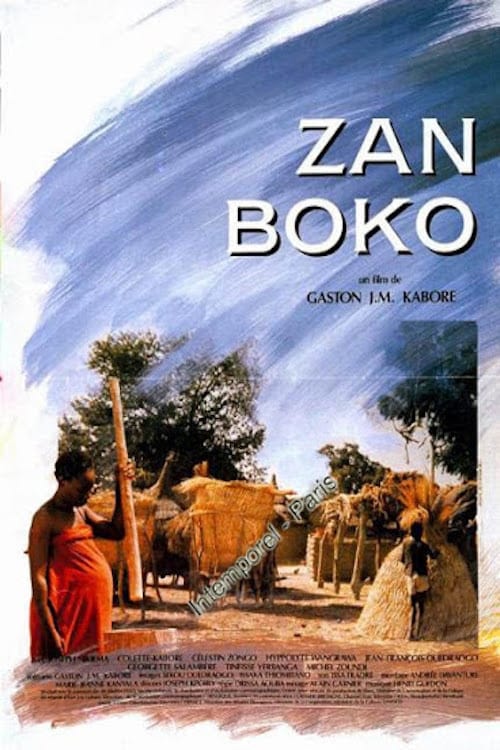

Overview
In the Mossi culture, one of the rites attending the birth of a child and its induction as a new member of the community involves the burial of the placenta. The space in which the placenta is buried is called 'Zan Boko' - a phrase which connotes the religious, cultural and affective relations that bind the child to the land and that embraces the notions of 'rootedness' and 'belonging'. Kaboré tells the story of Tinga, who resists the encroaching urbanization of his native territory. The specific rhythms and vision of the rural community, including its values, social relationship, and individual & collective destinies, are altered when a city is planted on the edge of an ancient native village.
Frequently Asked Questions & Story Details
Who directed Zan Boko?
Zan Boko was directed by Gaston Kaboré.
Where was Zan Boko produced?
It was produced by companies including Atria Films in France, Burkina Faso.
Zan Boko Ending Explained & Trivia
The ending of Zan Boko wraps up key thematic points regarding its characters. The film showcases excellent use of sound design, writing, and visual effects to create an immersive cinematic environment. For full analysis of ending theories, you can check out our corresponding articles in the Lumaflicks Blog section.