
Kamen Rider Blade: Missing Ace
“The story moves to the future. Witness the final battle!”
Overview
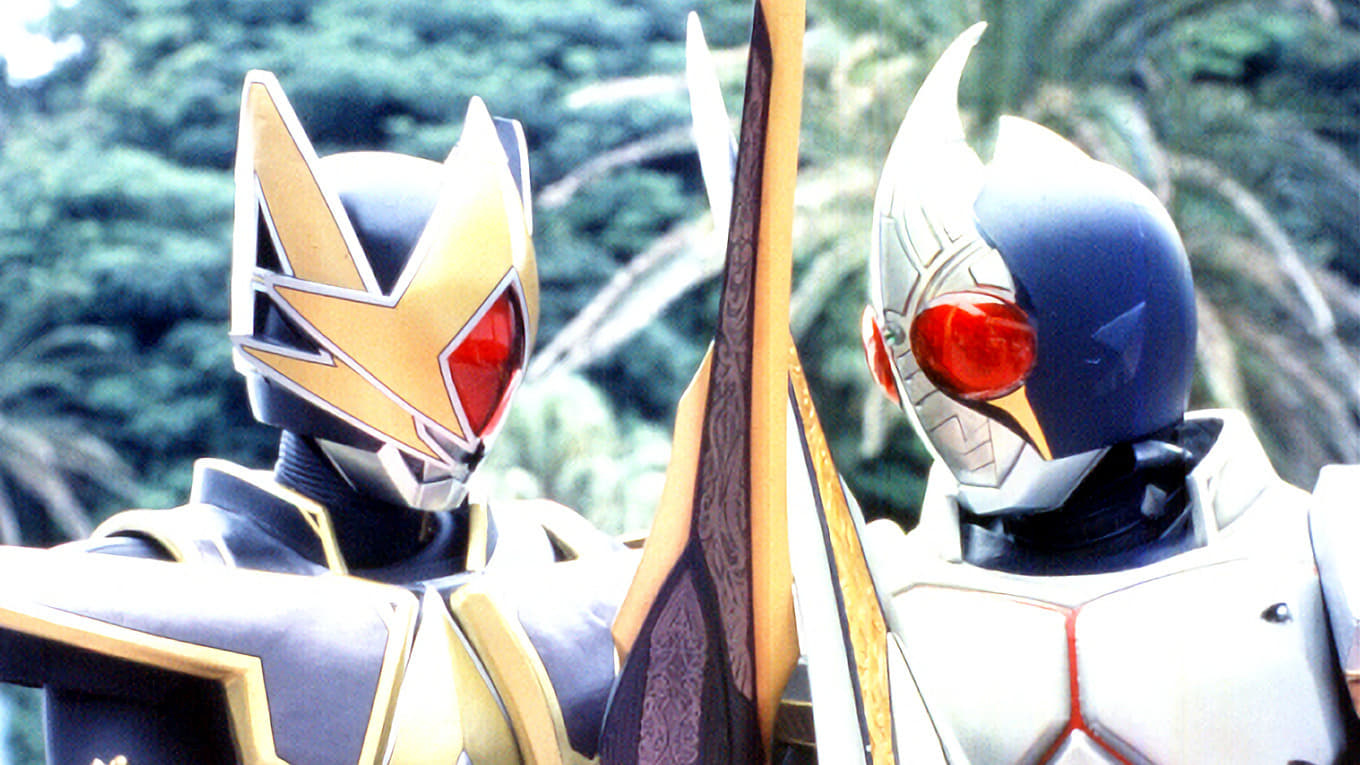
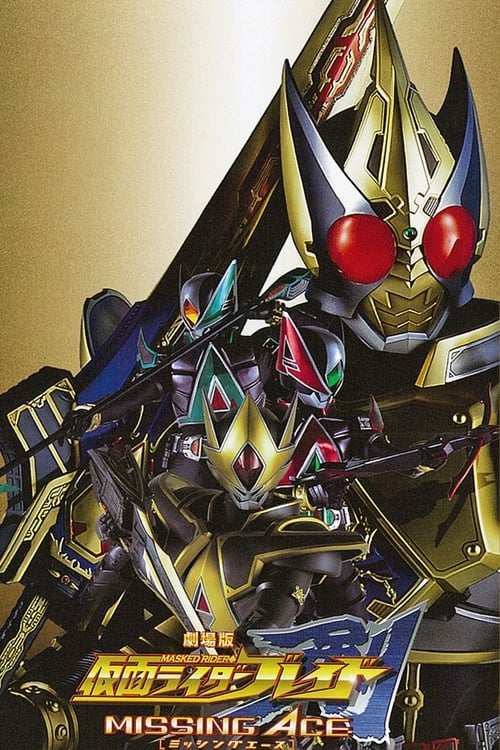
Four years after an alternate ending to the series, in which Blade seals the Joker, the characters have moved on with their lives: Kenzaki is a garbage man, Mutsuki has graduated high school, and Kotarō has published a book about the Kamen Riders to great success. The Undead have been re-released, and a new trio of Kamen Riders—Glaive, Larc and Lance—have emerged from BOARD, now led by Tachibana. After recapturing two of the Category Aces, Kenzaki and Mutsuki join with the new Riders. When all the Undead are sealed once more, Glaive reveals himself to be the Albino Joker, a white version of the original Joker, and captures Kotarō's niece to obtain the ultimate power, sealing her in the Vanity Card. In order to free Amane from the card, Hajime is unsealed from the Joker Card and the four Riders are again united, intent on saving Amane and stopping the Albino Joker.
Frequently Asked Questions & Story Details
Who directed Kamen Rider Blade: Missing Ace?
Kamen Rider Blade: Missing Ace was directed by Hidenori Ishida.
Where was Kamen Rider Blade: Missing Ace produced?
It was produced by companies including Toei Company, TV Asahi, Toei Animation, Toei Video Company, ADK, Toei Agency, Bandai in Japan.
Kamen Rider Blade: Missing Ace Ending Explained & Trivia
The ending of Kamen Rider Blade: Missing Ace wraps up key thematic points regarding its characters. The film showcases excellent use of sound design, writing, and visual effects to create an immersive cinematic environment. For full analysis of ending theories, you can check out our corresponding articles in the Lumaflicks Blog section.
Ready to watch?
Stream Kamen Rider Blade: Missing Ace right now — no waiting.
Franchise Collection
Kamen Rider Blade
Production