Overview
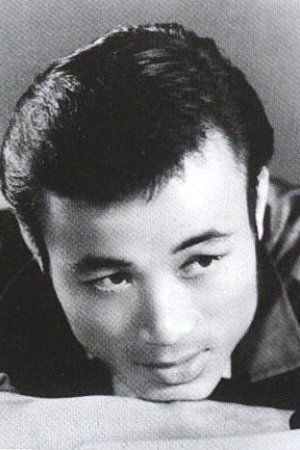
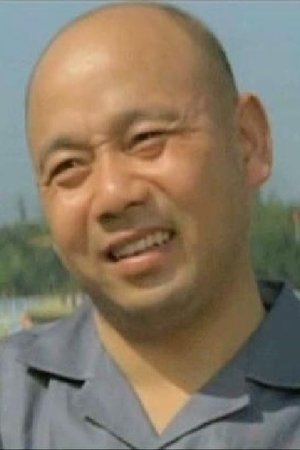
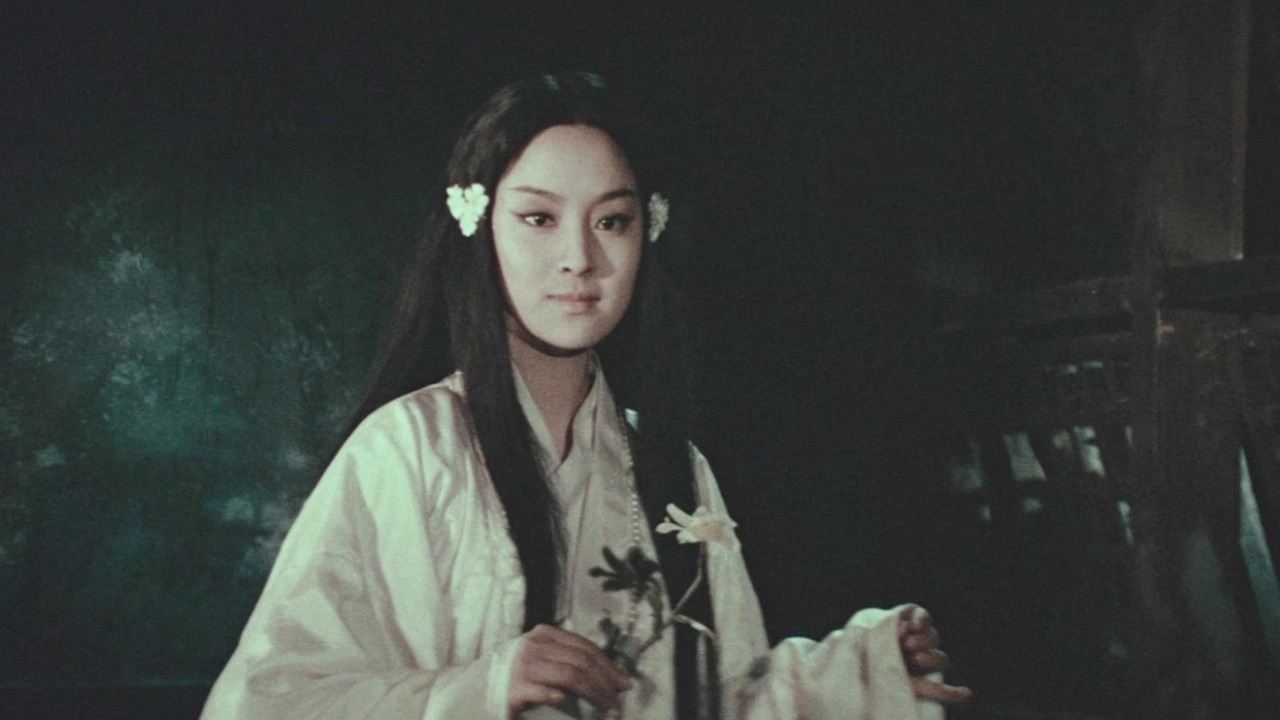
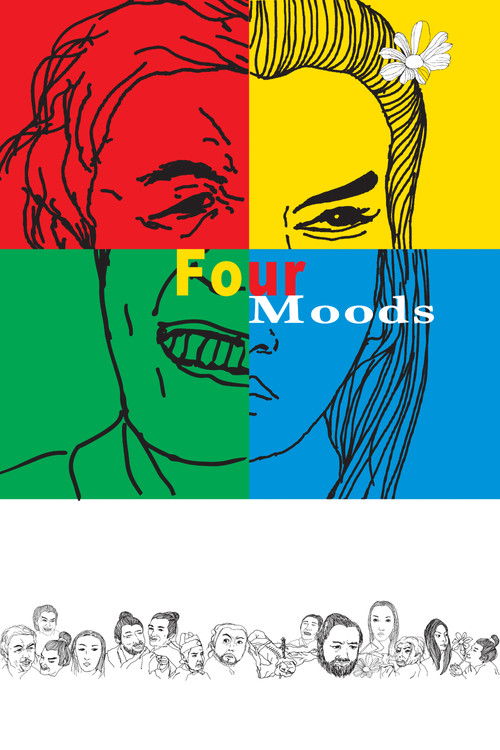
Directed by some of most well known Chinese-language directors of the time, the portmanteau film Four Moods was an attempt to alleviate Li Han-hsiang’s financial troubles during the late 1960s. Arguably one of his best works, King Hu’s short Anger is an adaptation of the famous Peking opera San Cha Kou; set to opera instrumentation and stylishly shot, the film deftly captures the tense showdown between political schemers, avengers and vagabonds inside an inn. Li Han-hsiang’s Happiness, inspired by the Strange Tales of Liaozhai, tells a tale of reprieve for a kind-hearted ghost, while Pai Ching-Jui’s Joy and Lee Hsing’s Sadness both explore the fateful encounters between mortal men and ghostly women.
Frequently Asked Questions & Story Details
Who directed Four Moods?
Four Moods was directed by Lee HsingPai Ching-juiKing HuLi Han-Hsiang.
Where was Four Moods produced?
It was produced by companies including New Grand Films in Taiwan.
Four Moods Ending Explained & Trivia
The ending of Four Moods wraps up key thematic points regarding its characters. The film showcases excellent use of sound design, writing, and visual effects to create an immersive cinematic environment. For full analysis of ending theories, you can check out our corresponding articles in the Lumaflicks Blog section.