
Overview
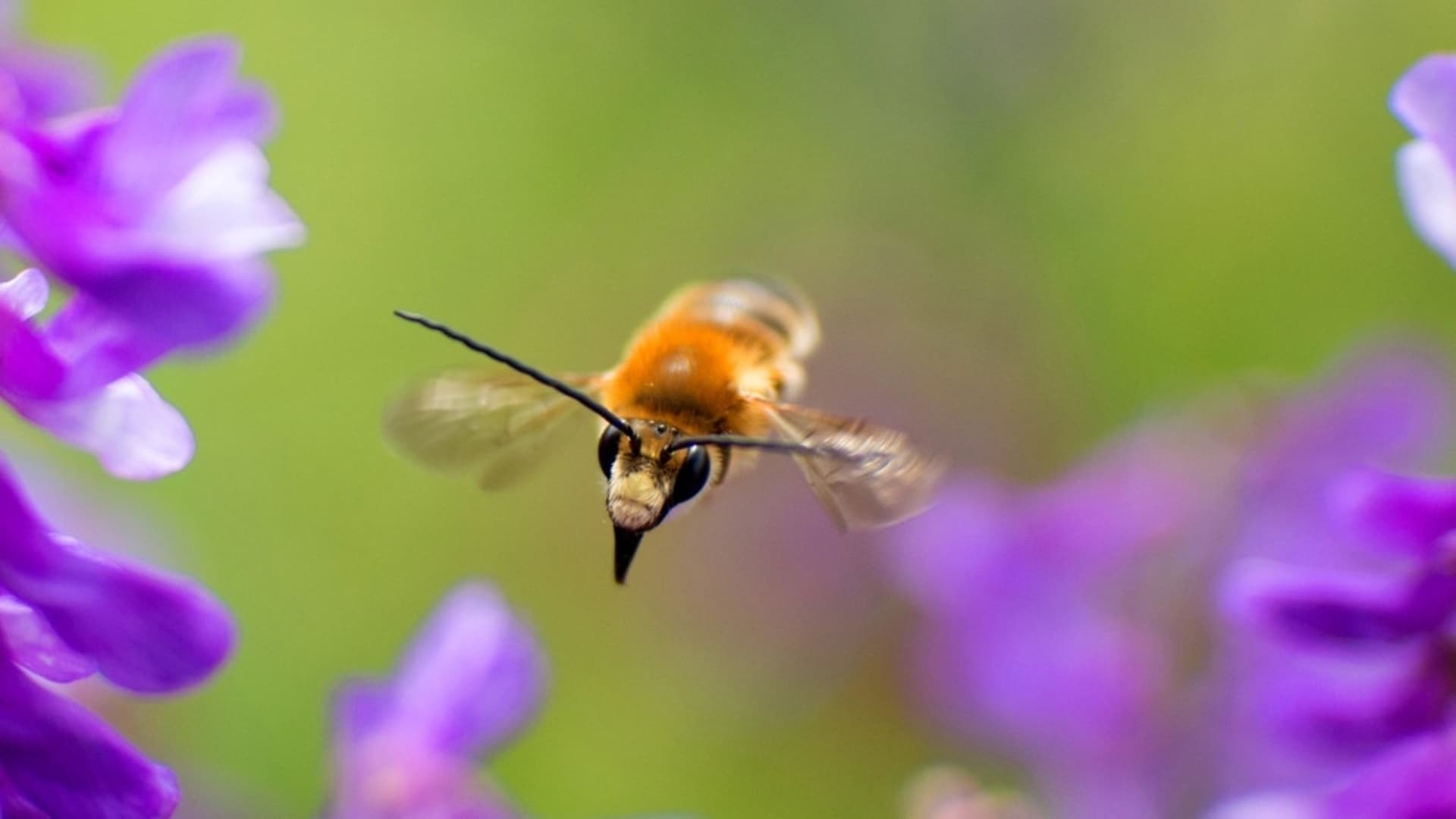
In his film, Jan Haft shows the almost unbelievable diversity of native wild bees and their amazing adaptations to a wide variety of habitats and living conditions. For most people, "the bee" is the honey bee, which diligently visits flowers and lives as a colony, consisting of a queen and several tens of thousands of workers, in a wooden box or a woven beehive, where it produces honey and wax. However, very few people know that there are over 560 other bee species in Central Europe, the vast majority of which do not live in colonies but as solitary bees. The behavior and lifestyles of these so-called wild bees are as diverse as their appearance, size and habitats. Among the wild bees there are giants with a body length of three centimetres, but also dwarfs that are just three millimetres long. Most wild bees are rather inconspicuously colored.
Frequently Asked Questions & Story Details
Who directed Biene Majas wilde Schwestern?
Biene Majas wilde Schwestern was directed by Jan Haft.
Where was Biene Majas wilde Schwestern produced?
It was produced by companies including ARTE in Germany.
Biene Majas wilde Schwestern Ending Explained & Trivia
The ending of Biene Majas wilde Schwestern wraps up key thematic points regarding its characters. The film showcases excellent use of sound design, writing, and visual effects to create an immersive cinematic environment. For full analysis of ending theories, you can check out our corresponding articles in the Lumaflicks Blog section.